

 By
By Buying a used car from a private seller can be a smart financial move — often saving you thousands compared to buying from a dealership. However, it also requires more responsibility, research, and careful inspection to ensure you’re making a safe and legal purchase.
This detailed guide will walk you through everything you need to know about how to buy a used car from a private seller, including how to inspect the vehicle, handle paperwork, and avoid scams.
Why Buy from a Private Seller?
Private car sales can offer several benefits over dealership purchases. Here’s why many people choose this route:
- Lower prices: Private sellers usually list vehicles for less because they don’t have dealership overhead costs.
- Room for negotiation: Sellers may be more flexible on price.
- Direct communication: You can speak directly with the car’s owner to learn about its history.
- No sales pressure: You have time to think before deciding.
However, unlike dealerships, private sellers don’t usually provide warranties or financing options — meaning you buy the car “as-is.” That’s why due diligence is essential.
Step 1: Do Your Research Before You Start Shopping
Before contacting any seller, start with a bit of research:
- Set your budget: Include not just the purchase price, but also registration fees, insurance, maintenance, and possible repairs.
- Decide on the make and model: Focus on reliability, fuel efficiency, and availability of replacement parts.
- Check market prices: Use platforms like Kelley Blue Book, Edmunds, or Autotrader to compare average prices in your area.
- Know what you need: For example, if you’re driving long distances, a fuel-efficient sedan may be better than a large SUV.
Having a clear idea of what you want helps you avoid overpaying or choosing a car that doesn’t fit your needs.
Step 2: Find Reliable Private Sellers
You can find private car listings on websites such as Craigslist, Facebook Marketplace, Autotrader, or community bulletin boards.
When reviewing ads:
- Look for detailed listings with clear photos and full descriptions.
- Avoid sellers who refuse to meet in person or provide vague details.
- Ask questions about ownership history, reason for selling, and maintenance records.
Always verify that the person selling the vehicle is the registered owner. Be cautious of anyone trying to sell on behalf of someone else without proper documentation.
Step 3: Check the Vehicle History Report
Before scheduling a meeting, request the Vehicle Identification Number (VIN) and check the car’s background using services like Carfax or AutoCheck.
A vehicle history report can show:
- Previous ownership
- Accident history
- Title status (clean, rebuilt, or salvage)
- Odometer readings
- Maintenance and service records
If the seller refuses to share the VIN or provide a report, consider it a red flag and move on to another listing.
Step 4: Schedule a Safe Meeting and Inspect the Car
When you’re ready to see the car in person:
- Meet in a public, well-lit area (such as a shopping center or police station parking lot).
- Bring a friend or family member if possible.
- Never carry large sums of cash on your first visit.
Exterior Inspection
- Check for dents, scratches, and signs of repainting (which may indicate past accidents).
- Look for rust or mismatched panels.
- Ensure headlights, taillights, and turn signals work properly.
Interior Inspection
- Check that the seats, air conditioning, heater, and windows work.
- Look at the dashboard for warning lights.
- Inspect the mileage — make sure it matches the ad and seems realistic for the car’s age.
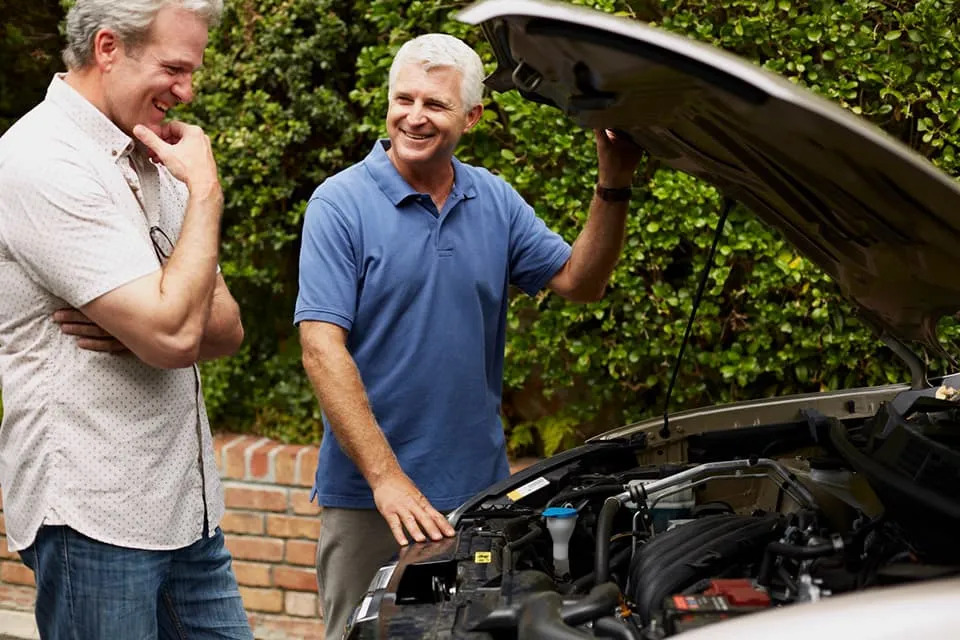
Under the Hood
- Look for oil leaks or corrosion.
- Check fluid levels (oil, coolant, transmission).
- Make sure the battery looks clean and securely fastened.
Step 5: Take a Test Drive
A test drive can reveal hidden issues that visual inspection won’t.
Here’s what to pay attention to:
- Engine performance: The car should start smoothly and idle quietly.
- Transmission: Gear shifts should feel smooth, not jerky.
- Brakes: The car should stop evenly without squeaking or pulling to one side.
- Steering: There should be no vibration or drifting.
- Suspension: The ride should feel stable and comfortable.
Try driving on different road types — highway, city streets, and turns — to get a full sense of the vehicle’s condition.
Step 6: Get a Professional Inspection
Even if the car looks great, it’s always wise to have a mechanic inspect it before you buy.
A certified mechanic can check:
- The engine and transmission condition
- Signs of flood or accident damage
- Undercarriage rust
- Tire wear and alignment
- Brake system condition
This inspection usually costs between $100 and $200, but it can save you from expensive surprises later.
If the seller hesitates or refuses to allow an inspection, that’s a warning sign to walk away.
Step 7: Negotiate the Price
Once you’re confident in the car’s condition, it’s time to negotiate.
- Use your research from Kelley Blue Book or similar sites as leverage.
- Be polite but firm — don’t lowball unfairly.
- Mention any issues the mechanic found to justify a lower offer.
- Be prepared to walk away if the seller won’t budge.
Most private sellers expect some negotiation, so don’t be afraid to make a reasonable counteroffer.
Step 8: Handle the Paperwork Correctly
Paperwork is crucial when buying from a private seller — it protects both you and the seller.
Here’s what you’ll typically need:
- Bill of Sale: A signed document showing the sale price, date, VIN, and buyer/seller information.
- Vehicle Title: Ensure the title is clear (no liens) and matches the seller’s name.
- Odometer Disclosure Statement: Confirms the mileage at the time of sale.
- Smog or Emissions Certificate (if required): Some states require proof of inspection.
- Release of Liability: The seller should file this form with the DMV to avoid future legal responsibility.
Once you have all documents, go to your local DMV or state agency to transfer ownership and register the car under your name.
Step 9: Pay Safely
For your protection, use a secure payment method. Options include:
- Bank transfer or cashier’s check
- Escrow services (for large transactions)
- Avoid cash unless necessary, and always request a receipt
Never send money before seeing the car in person and confirming the paperwork.
Step 10: Register and Insure the Vehicle
After completing the sale:
- Visit your local DMV to register the car and pay applicable taxes or fees.
- Purchase an auto insurance policy before driving regularly — it’s typically required by law.
- Keep all documentation organized for future reference.
Once this is done, you can officially enjoy your new (used) vehicle!
Tips to Avoid Common Scams
Unfortunately, not every seller is honest. Here are a few tips to stay safe:
- Avoid sellers asking for wire transfers or gift card payments.
- Be cautious if the price seems too good to be true.
- Always verify the VIN and title before paying.
- Don’t share personal information like your SSN or banking details.
- Trust your instincts — if something feels off, walk away.
Final Thoughts
Buying a used car from a private seller can be an excellent way to get a quality vehicle at a great price — if you take the right precautions.
By doing your research, inspecting the car carefully, confirming paperwork, and handling payment securely, you can make a confident purchase without unnecessary risk.
Remember: take your time, ask questions, and never rush into a deal. The right used car will meet your needs, fit your budget, and provide peace of mind for years to come.