

 By
By As electric vehicles continue to grow in popularity, charging infrastructure has become a key concern for drivers. In the United States, Tesla operates one of the largest and most advanced electric vehicle charging networks in the world. Tesla charging stations are designed to make EV ownership practical, convenient, and suitable for both daily driving and long-distance travel.
This guide explains what Tesla charging stations are, where they are located, how they work, how much they cost, and what drivers should know in 2025 and beyond.
What Are Tesla Charging Stations?
Tesla charging stations are part of Tesla’s proprietary charging network, built specifically to support Tesla electric vehicles across the United States. The network includes several types of chargers designed for different use cases, from fast highway charging to slower destination charging.
Tesla’s goal is to reduce “range anxiety” and make electric driving as convenient as refueling a gasoline car.
Types of Tesla Charging Stations in the USA
Tesla operates multiple charging options, each serving a different purpose.
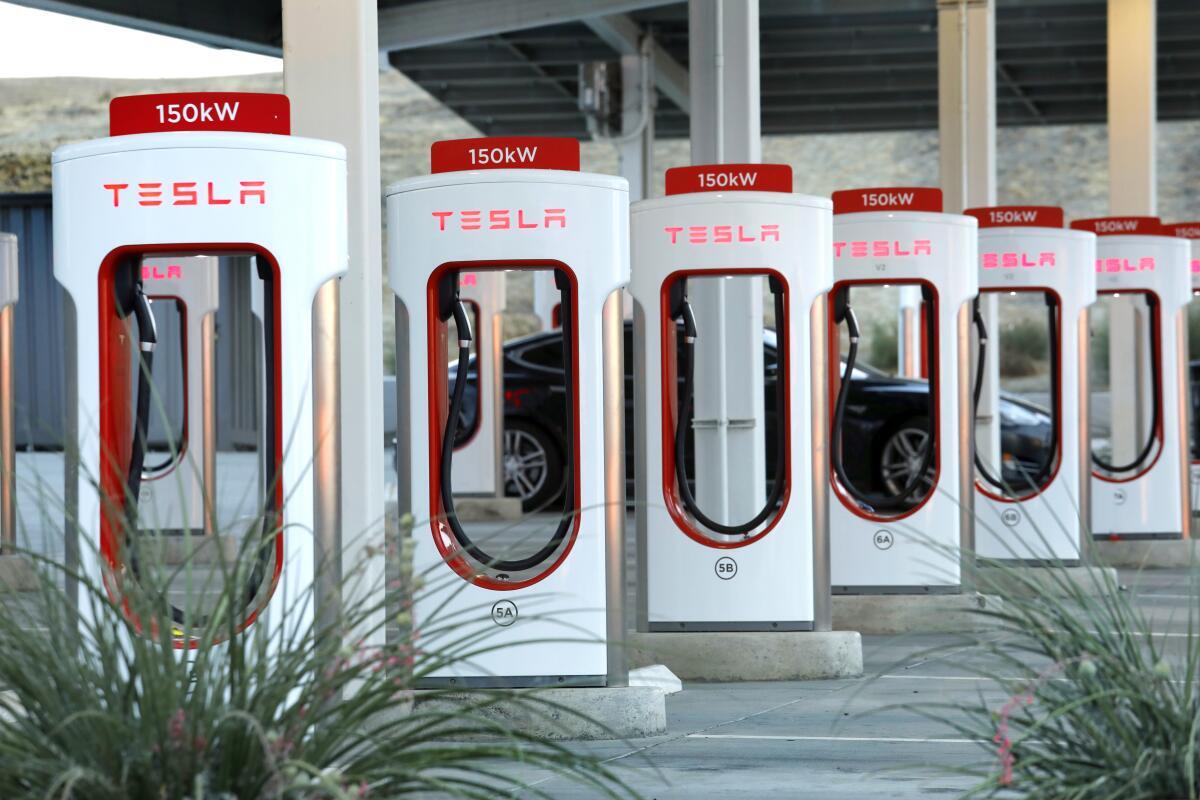
Tesla Superchargers
Tesla Superchargers are high-speed DC fast chargers primarily located along major highways and travel corridors.
Key features
- Designed for long-distance travel
- Can add significant range in a short time
- Strategically placed near rest stops, shopping centers, and food options
Superchargers are the backbone of Tesla’s nationwide charging network.
V3 Superchargers
V3 Superchargers represent Tesla’s latest fast-charging technology.
What makes them different
- Faster charging speeds than earlier versions
- Reduced charging time on road trips
- Improved power sharing efficiency
Not all locations use V3 technology yet, but expansion continues.
Tesla Destination Chargers
Destination Chargers are Level 2 chargers installed at locations where drivers park for longer periods.
Common locations
- Hotels
- Resorts
- Restaurants
- Shopping centers
- Apartment complexes
These chargers are ideal for overnight charging or extended stays.
Home Charging (Wall Connector)
While not public stations, many Tesla owners rely on home charging.
Why home charging matters
- Most daily charging happens at home
- Lower cost per mile
- Convenience and reliability
Public charging complements, rather than replaces, home charging.
Where Are Tesla Charging Stations Located in the USA?
Tesla charging stations are widely distributed across the country.
Common placement areas
- Interstate highways
- Urban centers
- Suburban shopping districts
- Tourist destinations
- Popular travel routes
The network is designed so drivers can travel coast to coast with minimal detours.
How Extensive Is the Tesla Charging Network?
Tesla operates thousands of Supercharger locations across the United States, with ongoing expansion.
Coverage highlights
- Dense coverage in major metro areas
- Strong interstate corridor presence
- Increasing rural and suburban expansion
Tesla regularly updates its charging map as new locations open.
How Tesla Charging Works
Using a Tesla charging station is designed to be simple.
Basic steps
- Plug the charger into the vehicle
- Charging starts automatically (no card swipe required)
- Monitor progress via the vehicle screen or mobile app
- Unplug and continue driving
Billing is handled automatically through the Tesla account.
How Much Does It Cost to Use Tesla Charging Stations?
Charging costs vary depending on several factors.
Cost factors
- Location
- Electricity rates
- Time of day
- Supercharger type
In general:
- Superchargers cost more than home charging
- Destination chargers may be free or paid
- Pricing is transparent in the Tesla app
Tesla displays estimated costs before charging begins.
Is Tesla Charging Free?
Free charging was offered on some older Tesla models, but most new vehicles require payment.
What to know
- Some Destination Chargers are complimentary
- Promotions may apply to specific vehicles or regions
- Most Supercharger use is paid
Always check your vehicle’s charging benefits.
How Long Does Charging Take?
Charging time depends on:
- Charger type
- Vehicle battery size
- Current battery level
Typical estimates
- Supercharger: 15–40 minutes for significant range
- Destination charger: several hours
- Home charging: overnight
Drivers often combine charging with breaks, meals, or rest stops.
Using Tesla Charging for Road Trips
Tesla charging stations are especially useful for long-distance travel.
Road trip advantages
- Integrated navigation with charging stops
- Real-time availability updates
- Optimized charging recommendations
Tesla vehicles automatically plan routes based on charging needs.
Tesla Charging and Non-Tesla Vehicles
Tesla has begun opening parts of its charging network to non-Tesla EVs in some regions.
Important considerations
- Compatibility depends on connector type
- Adapters may be required
- Availability varies by location
Expansion of access is ongoing and evolving.
Reliability and Maintenance
Tesla charging stations are generally known for high reliability.
Reliability factors
- Regular maintenance
- Remote monitoring
- Software updates
However, high-traffic locations may experience temporary congestion.
Charging Etiquette at Tesla Stations
To keep the network efficient, drivers should follow basic etiquette.
Best practices
- Move your car once charging is complete
- Avoid occupying stalls unnecessarily
- Respect posted time limits
Idle fees may apply if vehicles remain plugged in after charging finishes.
Tesla Charging and Environmental Impact
Tesla charging stations support cleaner transportation by enabling electric driving.
Environmental benefits
- Reduced tailpipe emissions
- Support for renewable energy integration
- Lower overall carbon footprint
The environmental impact depends on the local energy grid.
Safety at Tesla Charging Stations
Charging stations are generally located in well-lit, high-traffic areas.
Safety tips
- Charge during daylight when possible
- Stay aware of surroundings
- Lock your vehicle while charging
Tesla stations are designed with user safety in mind.
Comparing Tesla Charging to Other Networks
Tesla’s charging network is often compared to other EV charging providers.
Common differences
- Tesla offers tighter vehicle integration
- Simpler payment process
- More consistent availability
Other networks may offer broader compatibility but vary in ease of use.
FAQs
Can I rely only on Tesla charging without home charging?
Yes, but home charging is generally more convenient and cost-effective.
Are Tesla charging stations crowded?
Busy travel periods may cause waits, but most locations manage demand well.
Do Tesla chargers work in extreme weather?
Tesla charging stations are designed to operate in various climates, though charging speeds may vary.
Who Benefits Most from Tesla Charging Stations?
Tesla charging stations are especially beneficial for:
- Long-distance travelers
- Apartment dwellers without home charging
- Urban EV drivers
- Frequent commuters
The network supports a wide range of driving needs.
Bottom Line
Tesla charging stations play a crucial role in making electric vehicle ownership practical across the United States. With thousands of locations, fast charging speeds, and seamless vehicle integration, Tesla’s charging network remains one of the most robust EV infrastructures available.
For Tesla owners—and increasingly for non-Tesla EV drivers—these charging stations help eliminate range anxiety, support long-distance travel, and encourage the transition to cleaner transportation.
Disclaimer: This article is for informational purposes only. Charging station availability, pricing, and compatibility may change. Always check official Tesla resources for the most current information.