

 By
By Renting a motorcycle can make a trip feel more alive—mountain passes, coastal roads, and the freedom to stop anywhere. But motorcycle rentals come with higher stakes than car rentals: license rules, insurance/excess, deposits, gear standards, and cross-border permissions can make or break the experience.
This guide shows you how to choose the right motorcycle rental step by step, so you get a bike that fits your route, budget, and comfort level—without surprise fees at pickup.
Start with your trip style
Before you compare prices, answer one question:
What kind of riding will you actually do most of the time?
Common trip types and best bike matches
- City + short day trips: scooter (125–300cc) or small standard bike
- Mixed roads + scenic touring: middleweight naked/standard (500–900cc)
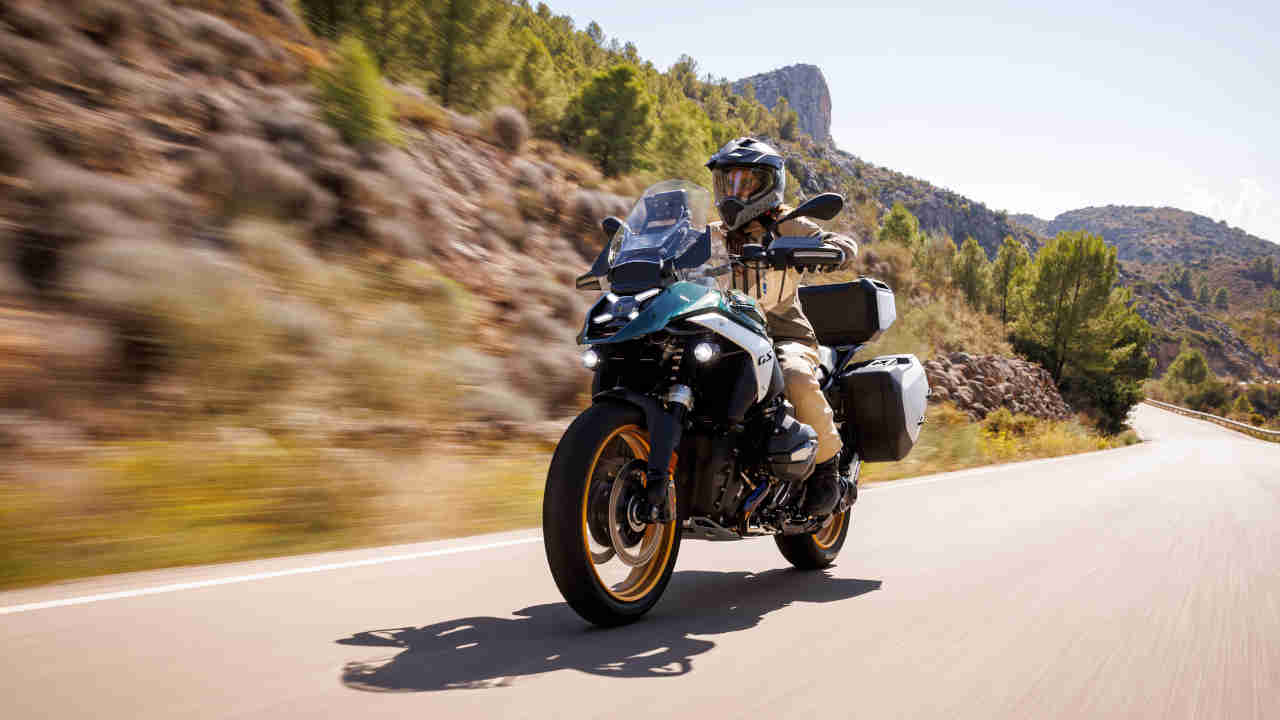
- Long distances + luggage + variable weather: touring or adventure bike (800–1300cc)
- Tight mountain roads: lighter middleweight bikes usually feel easier than heavy tourers
- Off-pavement detours: true ADV bike + confirm off-road is allowed in your contract
Pro tip: Bigger engines are not always better. On twisty routes, a lighter bike often reduces fatigue and feels more confident.
Confirm you’re legally allowed to ride the bike you want
License class matters (not just I can ride a motorcycle)
In Europe, for example, licenses are divided into categories like A1, A2, and A (with A2 limited to 35 kW, and A being unrestricted).
Rental companies typically match the bike class to your license class (and sometimes to your riding experience).
Bring an International Driving Permit (IDP) if needed
An IDP is a translation of your license, not a replacement. USA.gov explains you carry it along with your original license, and some places require it.
If you’re renting abroad or your license isn’t in Roman letters, an IDP can prevent pickup-day disputes.
Rule of thumb: If your license is not in English or another widely recognized format, bring an IDP to reduce friction.
Choose the right pickup location and rental type
Rental options
- Traditional rental companies/tour operators: consistent fleets, clear terms, support
- Peer-to-peer marketplaces: sometimes cheaper or more unique bikes, but policies vary
Pickup location trade-offs
- Airport pickup: convenient, often pricier, may add fees
- City pickup: sometimes cheaper, easier to start riding away from traffic
- Near your route start: saves time and stress (often worth paying slightly more)
Don’t shop only the daily rate—compare the true total cost
Motorcycle rentals can look cheap until you add:
- Insurance/damage waiver upgrades
- Excess/deductible reductions
- Gear rental (helmet, jacket, panniers)
- Mileage limits
- One-way drop fees
- Taxes and service charges
- Deposit hold on your card
Quick cost-check tip: Ask for a quote that includes:
- Base rental
- Insurance option you plan to take
- Any luggage/gear add-ons
- Expected deposit amount
- Total out-the-door price
Understand insurance, the excess, and deposits
This is the #1 area where riders get surprised.
The basics
- Third-party liability is often mandatory (varies by country)
- Damage waiver / collision coverage reduces your responsibility if the bike is damaged or stolen
- Excess (deductible) is what you still pay out of pocket per incident before coverage applies (unless reduced)
Many rental providers explain damage waiver options and exclusions in their insurance pages and terms (damage may be covered only if non-negligent, exclusions apply).
And rental insurance guides commonly define excess as the deductible you pay per claim.
What to ask the rental company
- What is the excess/deductible for damage and theft?
- Is it per incident or per rental?
- Can I reduce the excess (and what does that cost)?
- Are tires, wheels, underbody, windscreen, mirrors excluded?
- Is off-pavement riding excluded?
- What is the deposit amount, and how long is the hold?
Important: A large deposit hold is normal in motorcycle rentals. Make sure your card has enough available credit.
Check mileage policy and fuel policy
Mileage
- Unlimited mileage is best for touring and multi-day trips
- Daily mileage caps can be fine for city stays but costly if you go over
Fuel
Most rentals expect return full. Ask where the nearest fuel station is to the return point so you don’t get hit by refueling fees.
Gear quality and helmet standards: don’t compromise
If you’re renting gear, check:
- Helmet fit and condition
- Jacket/pants armor
- Gloves and rain layers
- Luggage mounting stability
If you’re riding in the UK, helmets must meet recognized safety standards such as UNECE Regulation 22.06 (and related accepted standards). Even when not legally required everywhere, using certified gear is a smart safety baseline.
Match the bike to your comfort level
Be honest about:
- Seat height and weight (can you confidently handle it at stops?)
- Heat management (big ADV bikes can run hot in cities)
- Wind protection for long motorway days
- Clutch feel and low-speed handling (important in traffic)
Practical recommendation: If you haven’t ridden in a while, pick a lighter, simpler bike for the first day. You’ll enjoy the trip more.
Read the fine print: cross-border and road restrictions
If your route crosses borders (common in Europe), ask for written approval. Even if travel is easy in regions like the Schengen Area, the rental contract may still restrict where the bike can go.
Also check for restrictions on:
- Ferries
- Unpaved roads
- Track riding
- Riding at night in remote areas (some tours restrict this)
Inspect the motorcycle like you’re returning it tomorrow
At pickup:
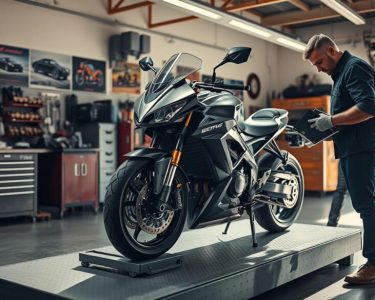
- Take a walkaround video + photos (scratches, dents, windshield, panniers)
- Photograph tires, wheels, mirrors, lights
- Confirm existing damage is documented on the sheet
- Test brakes, signals, and horn before leaving
At return:
- Repeat quick photos and keep the return receipt.
This is the simplest way to avoid damage disputes.
Quick comparison table: choose the right rental setup
| Trip goal | Best bike type | Must-check rental terms |
|---|---|---|
| City + short rides | Scooter / small standard | Helmet availability, theft rules, parking guidance |
| Scenic touring | 500–900cc standard/naked | Mileage, luggage options, wind protection |
| Long-distance multi-day | Touring / ADV | Seat comfort, panniers, roadside support |
| Mountain routes | Lighter middleweight | Tire condition, brake feel, downhill handling |
| Cross-border itinerary | Any (route-dependent) | Written permission, coverage validity by country |
FAQs
Is it better to rent from a big company or a local shop?
Big brands often have standardized terms and support; local shops may offer better route knowledge and pricing. The best choice is the one with transparent insurance/excess terms and well-maintained bikes.
Do I really need an IDP?
Not always, but it can prevent issues. USA.gov notes an IDP is a document that translates your license and is carried with your original license when required.
What’s a normal deductible/excess?
It varies widely by country, bike value, and insurance tier. Always ask for the exact amount and what’s excluded; many policies still leave you responsible for certain parts or negligent damage.
Conclusion
To choose the best motorcycle rental for your trip, focus on fit and risk management—not just price:
- Match the bike to your route and comfort level
- Confirm license/IDP requirements early
- Compare total cost including insurance, excess, and deposits
- Check mileage limits, gear standards, and cross-border permissions
- Inspect the bike thoroughly at pickup and return