

 By
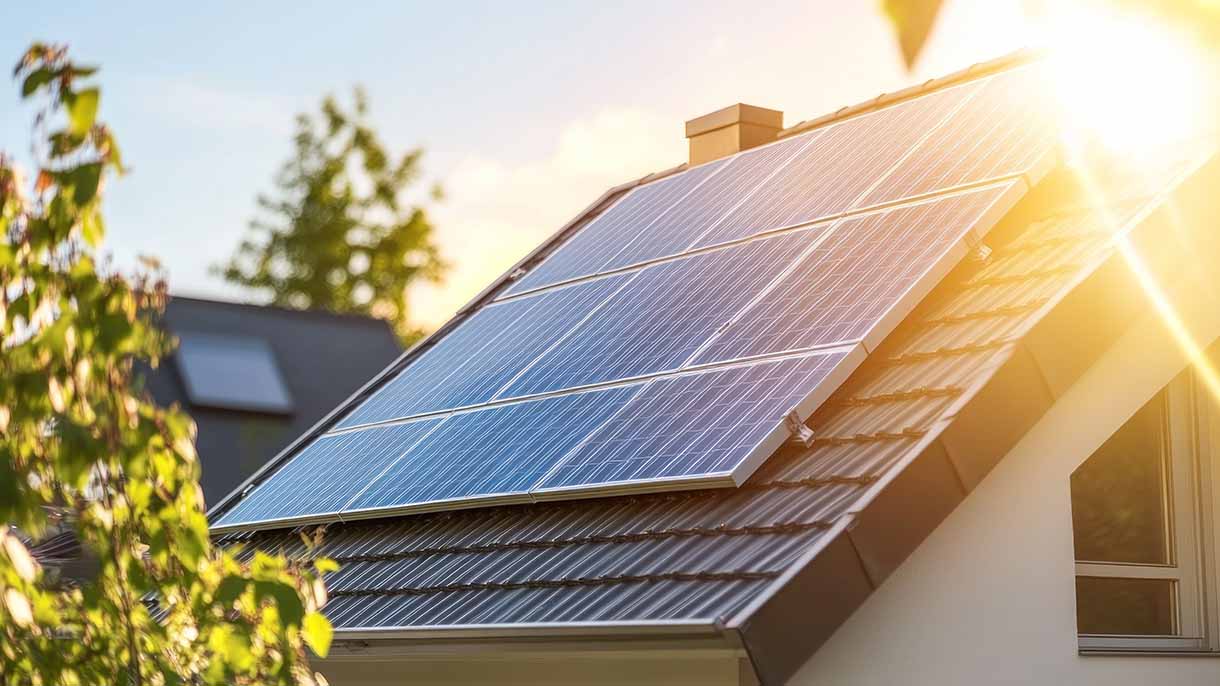
By Installing solar panels on a home is a major financial decision—and one of the first questions homeowners ask is: How much do solar panels actually cost? The answer depends on many factors, including system size, location, roof characteristics, incentives, and how you choose to pay.
This guide explains home solar panel costs in detail, what influences pricing, what you get for your money, and how to estimate whether solar makes financial sense for your household.
Average Cost of Solar Panels for a Home
For a typical single-family home, the total cost of a residential solar system depends largely on the system’s size, measured in kilowatts (kW).
General cost overview
- Smaller systems cost less upfront but produce less electricity
- Larger systems cost more but cover more energy needs
- Prices include equipment, installation, and permitting
In many regions, homeowners focus on cost per watt, which provides a clearer comparison between quotes.
What Is Included in the Cost of Solar Panels?
Solar panel pricing is more than just the panels themselves.
Typical system components
- Solar panels
- Inverter (string or microinverter)
- Mounting and racking
- Electrical wiring and safety equipment
- Monitoring system
- Installation labor
- Permits and inspections
Understanding the full package helps avoid underestimating the true cost.
Key Factors That Affect Home Solar Panel Costs
System Size (kW Capacity)
System size is the biggest cost driver.
What determines size
- Household electricity usage
- Available roof space
- Sun exposure
Homes with higher energy consumption require larger—and more expensive—systems.
Your Location
Where you live significantly affects solar costs.
Why location matters
- Local labor costs
- Permit and inspection fees
- State and utility incentives
- Sunlight availability
Electricity rates also influence how quickly solar pays for itself.
Roof Type and Condition
Not all roofs are equal when it comes to solar.
Cost-impacting roof factors
- Roof material (asphalt vs tile or metal)
- Roof pitch and complexity
- Roof age and condition
- Structural reinforcement needs
If your roof needs replacement soon, that cost should be factored in.
Solar Panel Type
Different panel technologies come with different price points.
Common panel types
- Monocrystalline: Higher efficiency, higher cost
- Polycrystalline: Lower cost, slightly lower efficiency
- Thin-film: Flexible but less efficient for homes
Higher-efficiency panels may reduce the number needed, saving space.
Inverter Choice
Inverters convert solar energy into usable electricity.
Options include
- String inverters
- Microinverters
- Power optimizers
Microinverters often cost more but can improve performance in shaded conditions.
Installation Company and Labor
Installer experience and regional labor rates influence pricing.
What to look for
- Licensing and insurance
- Experience with similar homes
- Clear warranties
- Transparent pricing
Cheapest is not always best—quality installation protects long-term value.
How Government Incentives Reduce Solar Panel Costs
Government incentives can significantly reduce out-of-pocket costs.
In the U.S., homeowners often reference guidance from the U.S. Department of Energy and tax credit rules overseen by the Internal Revenue Service.
Common incentive types
- Federal tax credits
- State or local rebates
- Utility incentives
- Net metering programs
These incentives can lower the effective cost of solar—but eligibility and availability vary.
How Much Do Solar Panels Cost After Incentives?
Incentives typically reduce:
- Upfront system cost
- Long-term payback period
However, incentives are not guaranteed forever, and program rules can change. Always verify current eligibility before relying on projected savings.
Solar Financing Options and Their Cost Impact
How you pay for solar affects both upfront cost and long-term savings.
Cash Purchase
Pros
- No interest
- Maximum long-term savings
- Full system ownership
Cons
- Highest upfront cost
Solar Loans
Pros
- Spread payments over time
- Ownership benefits remain
Cons
- Interest increases total cost
Solar Leases
Pros
- Little or no upfront cost
- Predictable monthly payments
Cons
- No system ownership
- Limited financial benefits
Power Purchase Agreements (PPAs)
Pros
- Pay only for energy used
- Minimal upfront investment
Cons
- Less control
- Savings depend on contract terms
Ownership generally offers the best financial return, but financing choice should match your budget.
How Long Does It Take for Solar Panels to Pay for Themselves?
The payback period is how long it takes for energy savings to equal installation costs.
Payback depends on
- Electricity rates
- Incentives
- System cost
- Energy usage
For many homeowners, payback occurs over several years rather than immediately.
Ongoing Costs: Maintenance and Repairs
Solar panels are low-maintenance, but not maintenance-free.
Possible ongoing costs
- Inverter replacement
- Occasional panel cleaning
- Monitoring system issues
Most panels come with long-term warranties that reduce repair risk.
Do Solar Panels Increase Home Value?
In many markets, solar panels can increase resale value.
Why
- Lower utility bills
- Energy efficiency appeal
- Long-term cost savings
Ownership (not leasing) typically adds more value.
Hidden Costs Homeowners Should Consider
Before installing solar, be aware of:
- Roof replacement costs
- Insurance policy updates
- HOA approvals
- Electrical panel upgrades
Including these costs ensures realistic budgeting.
Is Solar Worth the Cost for Every Home?
Solar tends to be most cost-effective when:
- Electricity rates are high
- Roofs have good sun exposure
- Homeowners plan to stay long-term
- Incentives are available
Homes with heavy shading or short ownership timelines may see lower benefits.
How to Get Accurate Solar Cost Estimates
Best practices
- Request multiple quotes
- Compare total installed cost
- Ask about warranties and performance guarantees
- Review financing terms carefully
Avoid high-pressure sales tactics.
Questions to Ask Before Installing Solar Panels
- What is the total installed cost?
- What incentives are included in the estimate?
- What warranties are provided?
- How long is the expected payback period?
- What happens if I sell my home?
Clear answers protect your investment.
Common Mistakes That Increase Solar Costs
- Not comparing installers
- Ignoring roof condition
- Overestimating energy savings
- Relying on outdated incentive information
- Choosing financing without reviewing total cost
Avoiding these mistakes improves outcomes.
Final Thoughts
So, how much do solar panels cost for a home? The answer depends on your energy needs, location, roof, and financing choices. While upfront costs can be significant, incentives and long-term energy savings often make solar an attractive option for homeowners planning to stay put.
By understanding cost factors, incentives, and realistic expectations, you can decide whether solar aligns with your financial goals and property conditions.
Disclaimer: This content is for informational purposes only. Solar pricing, incentives, and system performance vary by location and provider. Always consult qualified professionals before making installation decisions.