

 By
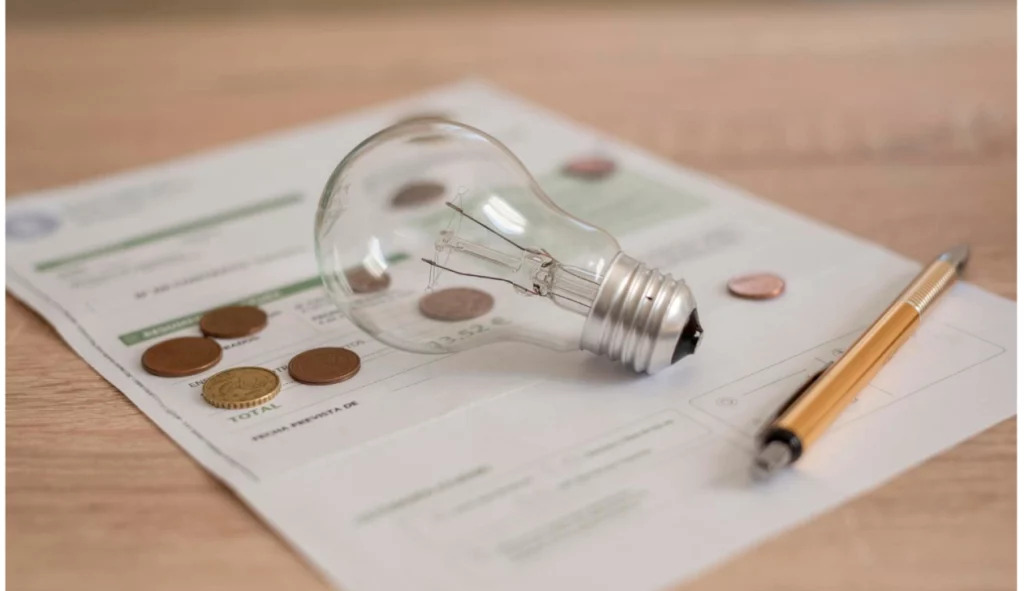
By Electricity is an essential part of modern life — from lighting up our homes to powering our devices and appliances. However, rising energy costs across the United States have made many households look for practical ways to reduce their monthly electricity bills. The good news? Lowering your bill doesn’t always mean sacrificing comfort. With a few smart changes, you can save energy, protect the environment, and keep your budget in check.
Here’s a complete guide on how to lower your electricity bill in the USA — with practical, safe, and easy-to-follow steps.
Understand Your Electricity Usage
Before you can reduce your bill, it’s important to know where your electricity goes.
Most U.S. households use electricity for:
- Heating and cooling systems (about 40–50%)
- Water heating (10–15%)
- Lighting (5–10%)
- Appliances and electronics (20–30%)
You can check your monthly energy usage on your utility bill. Some electric companies, like Pacific Gas and Electric (PG&E), Duke Energy, or Con Edison, also offer online dashboards where you can track which devices consume the most energy.
By identifying your biggest energy consumers, you can target areas that offer the most savings.
Adjust Your Thermostat Settings
Heating and cooling are the largest parts of most electric bills. One of the easiest ways to save money is by adjusting your thermostat.
- During summer, set your thermostat to 78°F (26°C) when you’re home, and higher when you’re away.
- During winter, set it to 68°F (20°C) when you’re home, and lower when sleeping or away.
If you install a programmable thermostat (or a smart thermostat like Google Nest or Ecobee), it can automatically adjust temperatures based on your schedule — saving up to 10%–15% annually on heating and cooling costs.
Switch to Energy-Efficient Appliances
Appliances like refrigerators, washing machines, dishwashers, and air conditioners can consume a lot of electricity — especially older models.
When replacing or upgrading, look for appliances with the ENERGY STAR® label. These models meet strict energy-efficiency standards set by the U.S. Environmental Protection Agency (EPA).
While they may cost slightly more upfront, they typically save hundreds of dollars over their lifetime and help reduce carbon emissions.
Unplug Devices When Not in Use
Did you know that many electronics continue to draw power even when they’re turned off? This phenomenon is called “phantom load” or “vampire energy”.
Common culprits include:
- TV sets and game consoles
- Chargers for phones and laptops
- Microwaves and coffee makers
An easy fix is to unplug these devices when not in use or use a power strip with an on/off switch. According to the U.S. Department of Energy, eliminating phantom loads can reduce your electricity use by up to 10%.
Improve Home Insulation
If your home isn’t well insulated, heating and cooling systems have to work harder — wasting both energy and money.
Simple improvements can make a big difference:
- Seal air leaks around doors, windows, and vents
- Add insulation in your attic or basement
- Install weather stripping or caulking
- Use thick curtains to reduce heat loss in winter and block sunlight in summer
These steps can make your home more comfortable year-round and reduce your energy costs significantly.
Use LED Lighting
Traditional incandescent bulbs use a lot of energy and have short lifespans. Switching to LED bulbs is one of the simplest and most cost-effective ways to save.
LEDs use about 75% less energy and last 25 times longer than incandescent bulbs. Even replacing just five of your most-used light fixtures can save you more than $75 per year on electricity bills.
Take Advantage of Off-Peak Hours
Many U.S. utility companies offer time-of-use (TOU) plans, where electricity rates vary depending on demand. Power is more expensive during peak hours (typically late afternoon and evening) and cheaper during off-peak times (like early morning or late night).
Running your dishwasher, laundry, or charging your EV during off-peak hours can lead to noticeable savings over time.
Consider Renewable Energy Options
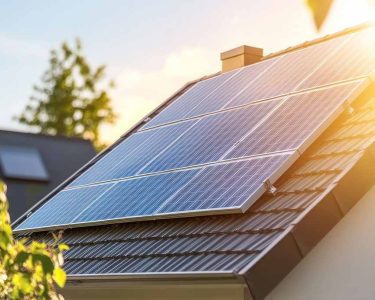
If your budget allows, you can explore solar panels or community solar programs.
Installing rooftop solar can reduce your reliance on the grid and lower your electricity bill dramatically in the long run. For renters or those unable to install panels, some states offer community solar — where you subscribe to a local solar farm and get credits on your bill for the energy produced.
Check with your local utility or state energy office for incentives, rebates, or tax credits.
Maintain Your HVAC System
A dirty air filter or poorly maintained HVAC system makes your heating and cooling units work harder, consuming more power.
Regular maintenance tips:
- Replace air filters every 1–3 months
- Schedule annual HVAC inspections
- Clean air vents and ducts
- Keep outdoor units free from debris
Proper maintenance improves efficiency and extends the lifespan of your equipment.
Build Energy-Saving Habits
Finally, the most sustainable way to lower your bill is to build good daily habits:
- Turn off lights when leaving a room
- Wash clothes with cold water
- Line-dry clothes when possible
- Limit the use of space heaters
- Use fans to improve air circulation
These small habits, when practiced consistently, can add up to big savings over the year.
Final Thoughts
Lowering your electricity bill in the USA doesn’t require major sacrifices — just awareness and consistency. Whether you choose to upgrade your home, change your habits, or explore renewable options, each step contributes to long-term savings and a greener planet.
Start small, track your progress, and enjoy the satisfaction of a lower bill and a more energy-efficient home.